
Research, product and document AI
Insights from our work in information extraction, document understanding and applied AI.
NuExtract3: The Reasoning Open-Source OCR & Structured Extraction LLM
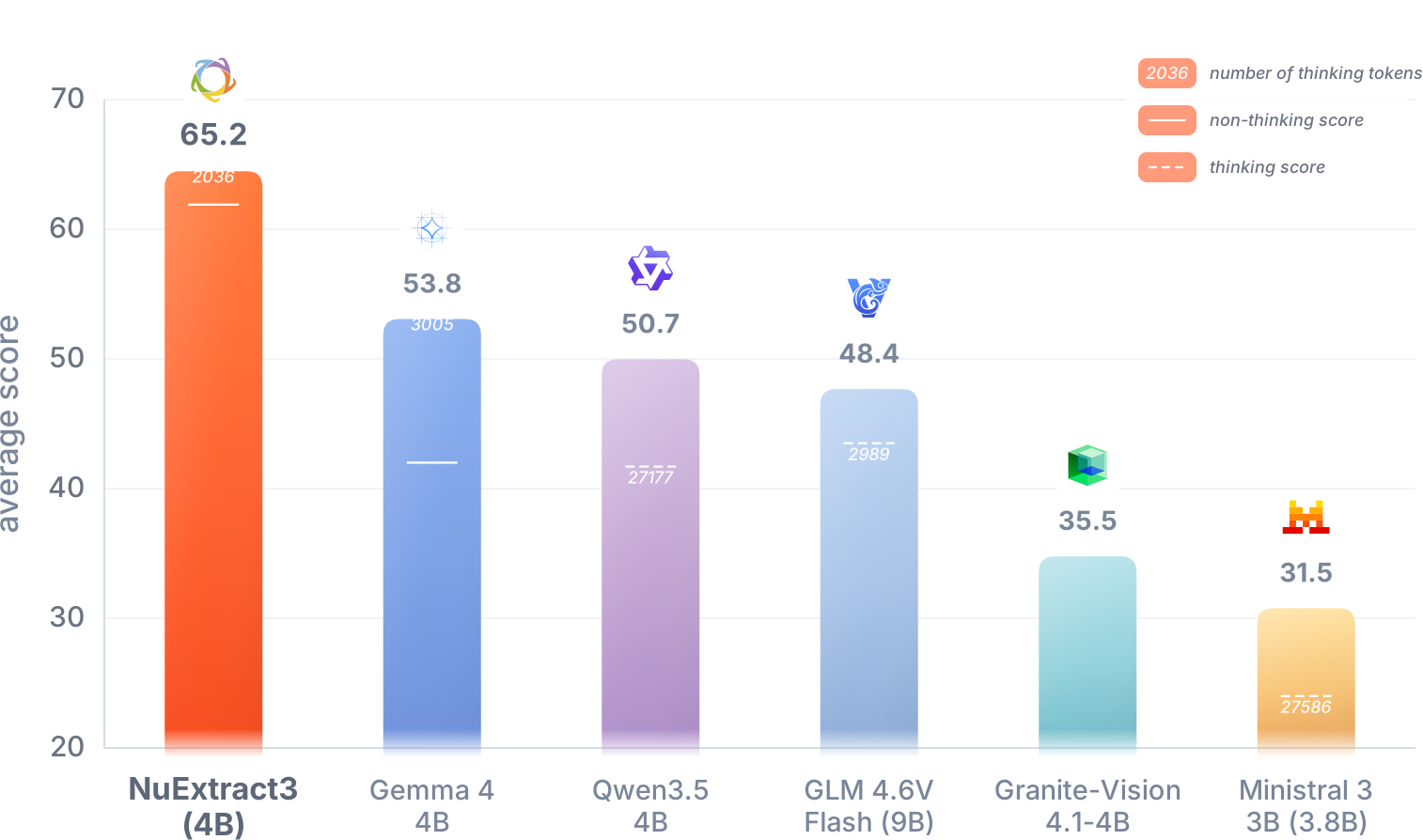
We introduce NuExtract3, a 4B open-source VLM specialized in document extraction. NuExtract3 unifies structured extraction (documents to JSON) and content extraction (OCR) into a single model. Trained via Reinforcement Learning to develop extraction-specific reasoning abilities (switchable on/off), it outperforms similarly sized models in both tasks, the new reference for open-source document extraction.
NuExtract 2.0: Outclassing Frontier LLMs in Information Extraction
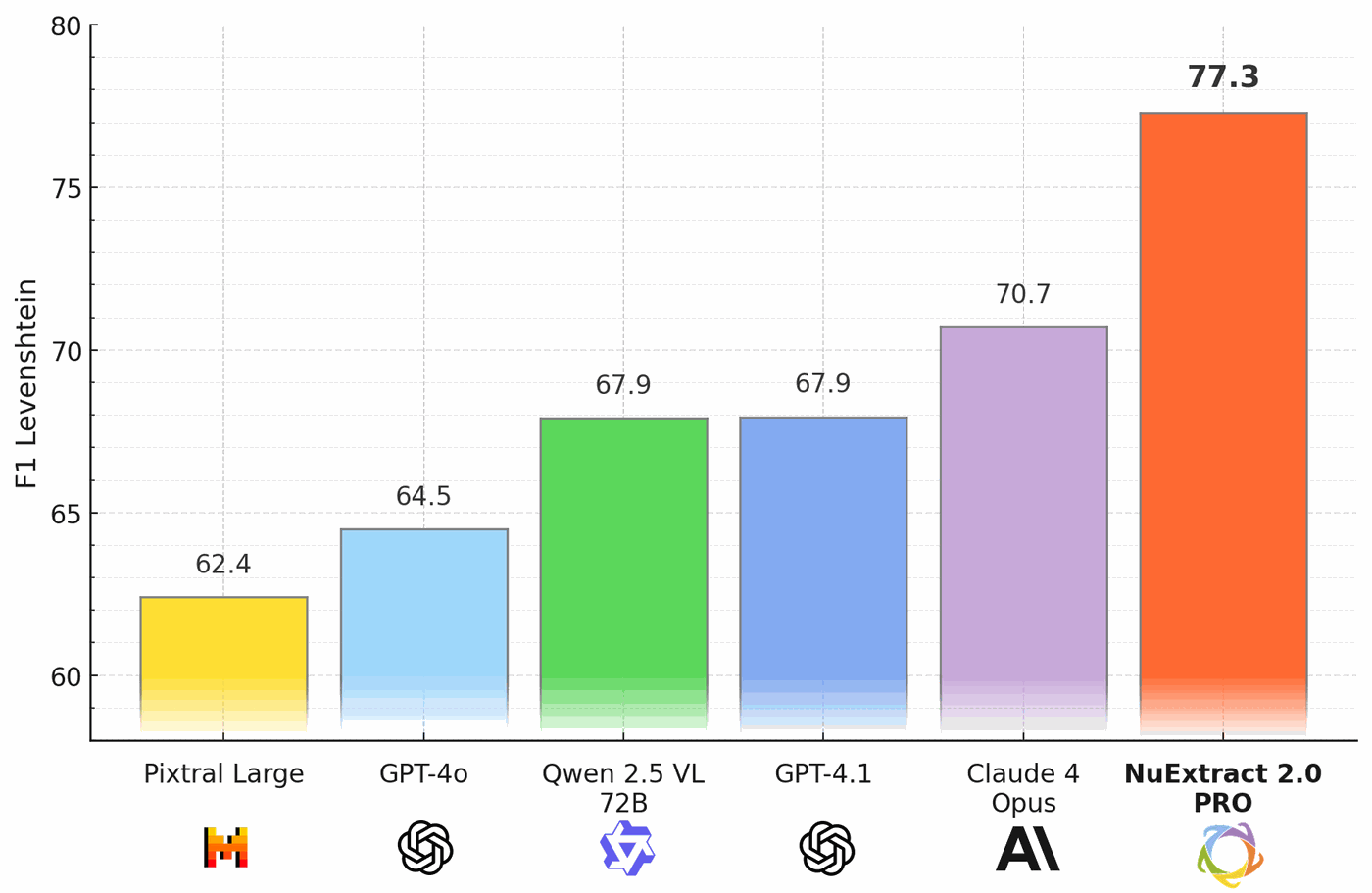
We introduce NuExtract 2.0, the latest version of our LLM specialized in extracting structured information (document to JSON). NuExtract 2.0 brings vision, abstraction, and in-context learning abilities. We release open-source versions in the 2B-8B parameters range, and give access via API to our biggest model — NuExtract 2.0 PRO — which largely outperforms GPT-4.1 (+9 F-Score) and other frontier models.
NuExtract Platform: The New Information Extraction
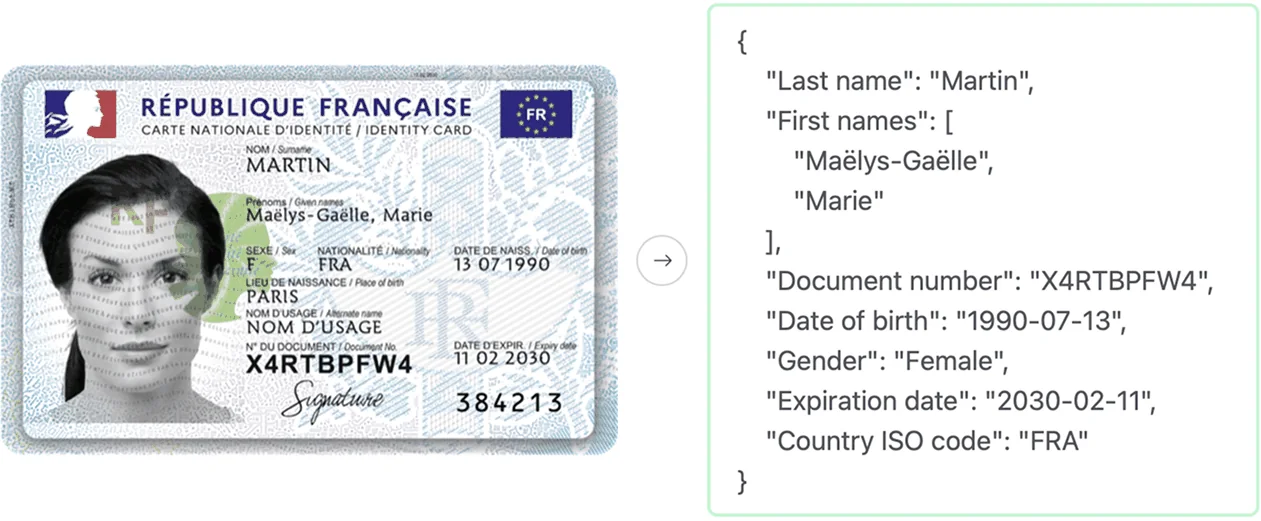
Today we release the NuExtract platform, a solution to extract high-quality structured information (JSON) from documents via API. This platform is powered by the recent NuExtract 2.0 PRO — the state-of-the-art LLM for information extraction. You can try it at nuextract.ai, or talk to us to get a private installation.
NuExtract 1.5 - Multilingual, Infinite context, still small, and better than GPT-4o!
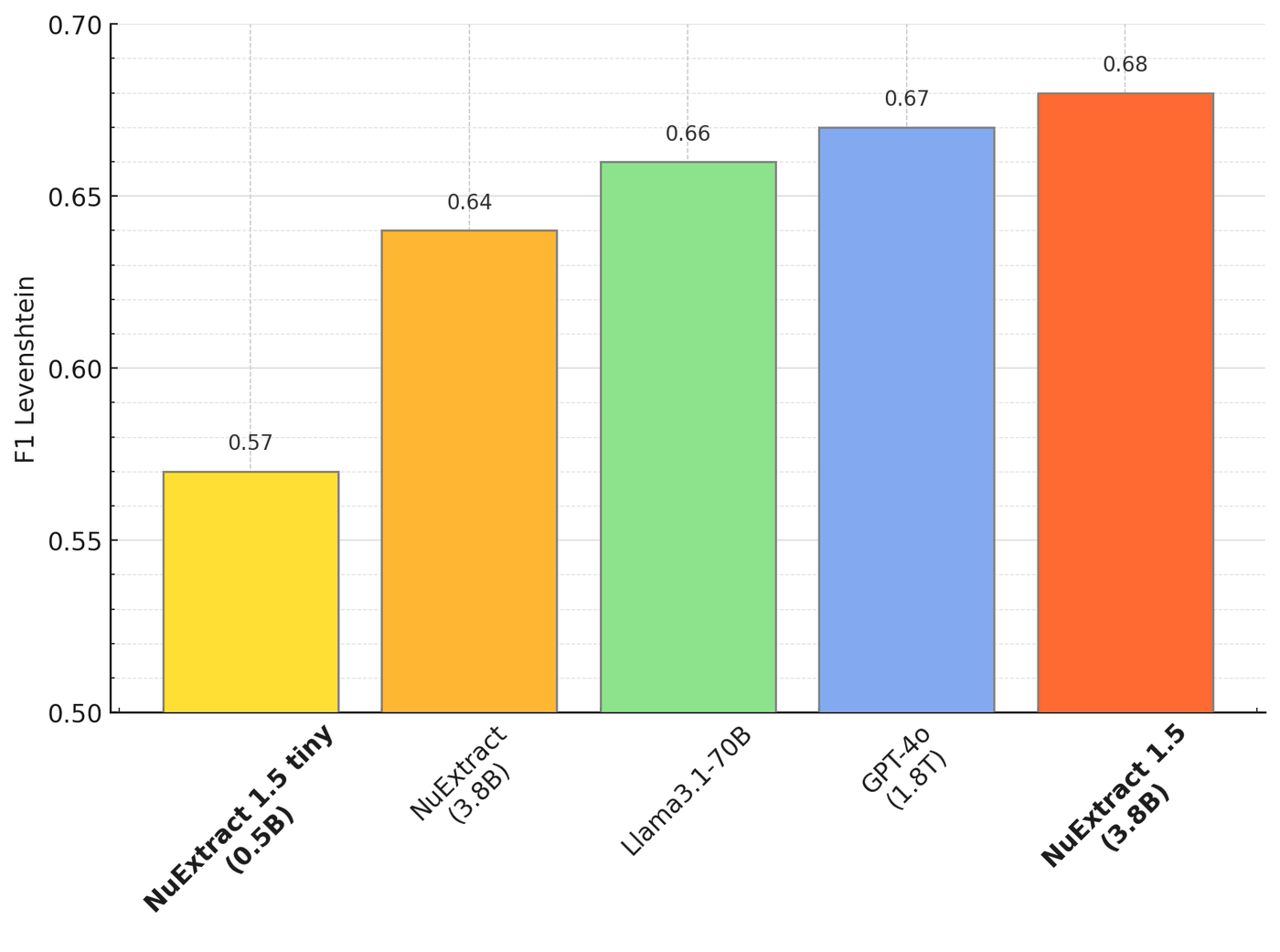
We introduce NuExtract 1.5, the new version of our foundation model for structured extraction. NuExtract 1.5 is multilingual, can handle arbitrarily long documents, and outperforms GPT-4o in English while being 500 times smaller. As usual, we release it under MIT license.
NuExtract: A Foundation Model for Structured Extraction
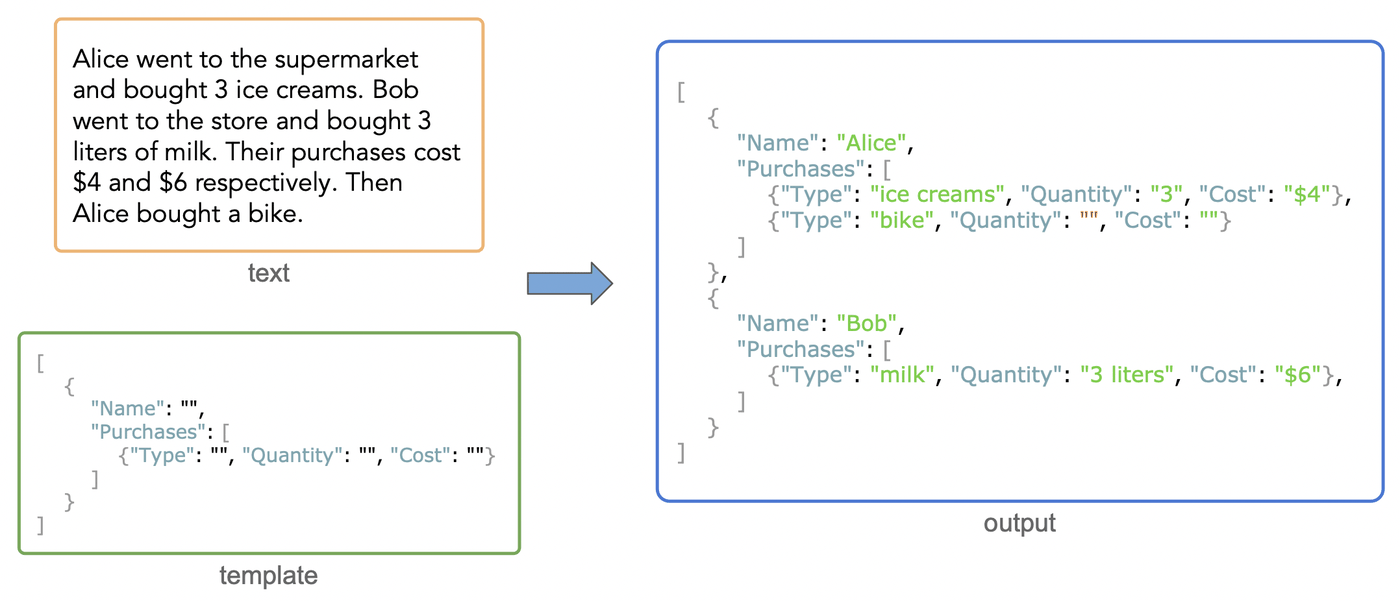
We introduce NuExtract, a lightweight text-to-JSON LLM. NuExtract allows to extract arbitrarily complex information from text and turns it into structured data. This model can be directly used in a zero-shot setting or fine-tuned to solve a specific extraction problem. As usual, we open-source it under MIT license for everyone to use.
A Foundation Model for Entity Recognition
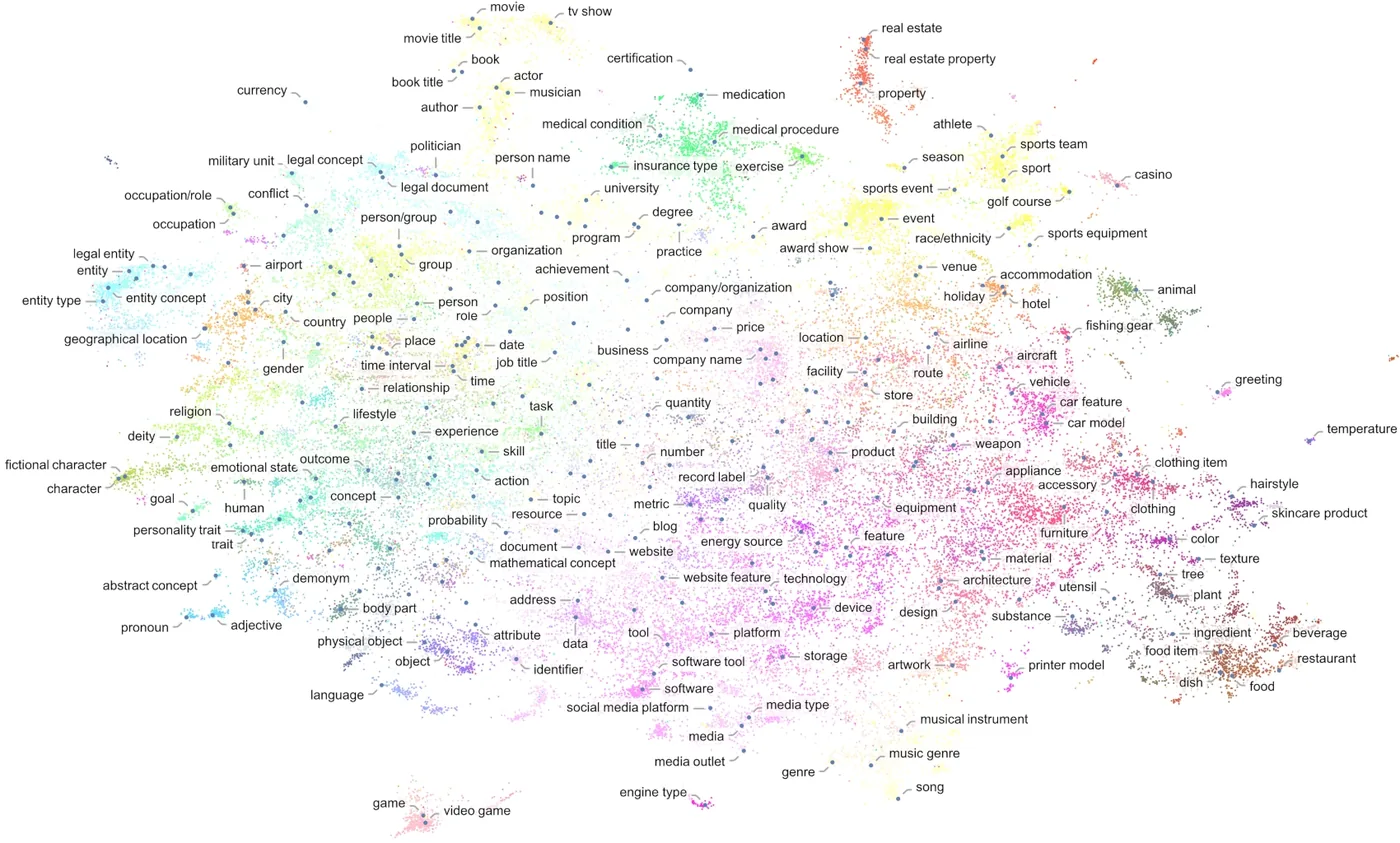
Entity recognition is a widely used information extraction task, yet publicly available foundation models are not well suited for it. We leverage modern LLMs to create a small-yet-powerful foundation model for this task. This BERT-size model can be used to create custom entity recognizers with typically 5x less annotated data than before. This model is powering NuMind and we open-source it with an MIT license for everyone to use. Spread the word!
Creating Task-Specific Foundation Models with GPT-4
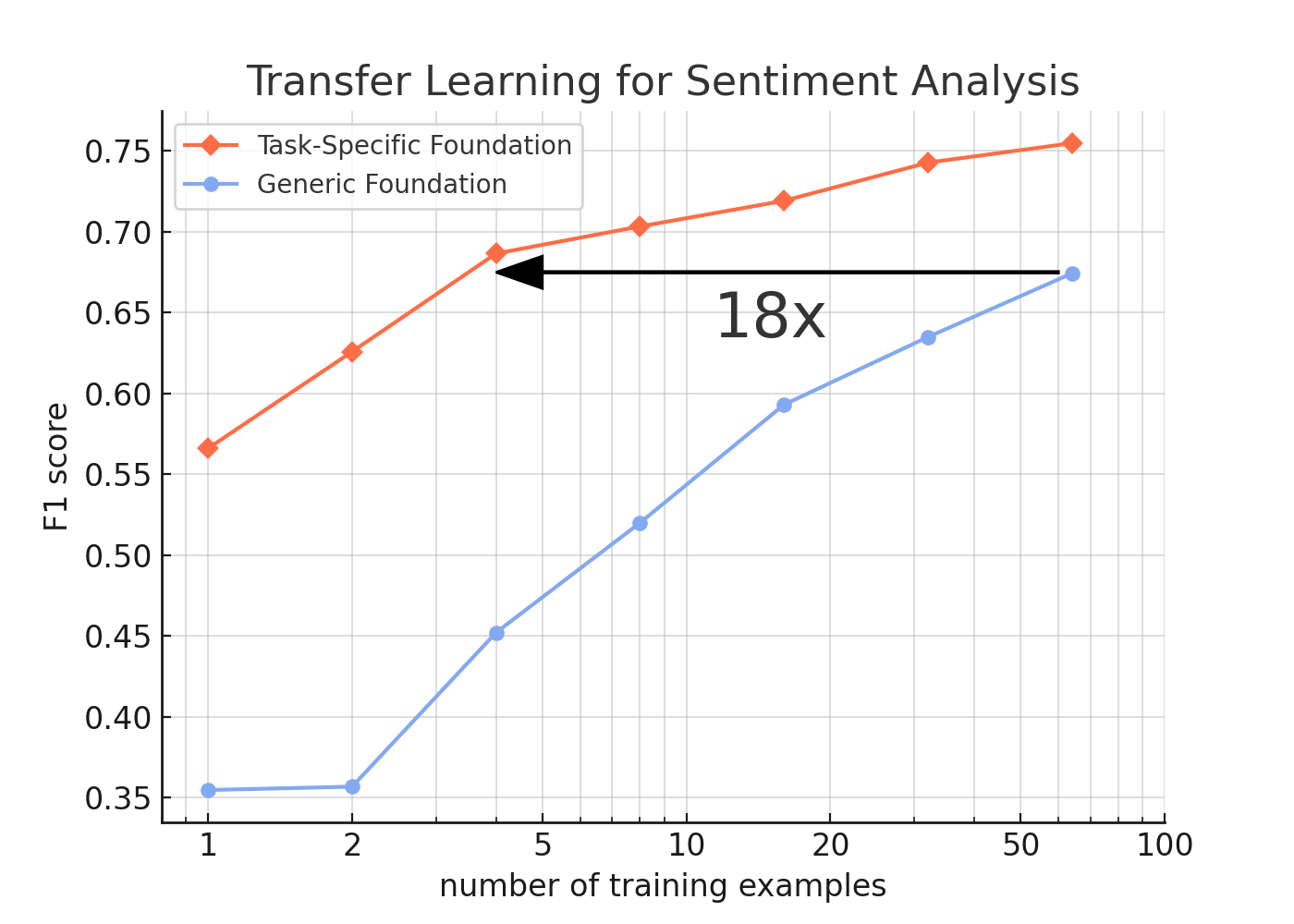
There are two kinds of BERT-size NLP models in this world: general-purpose ones (a.k.a. foundation models), and highly specialized ones, trained on specific tasks and data. Neither kind is ideal to solve particular NLP problems on your data. We need to fill this specialization gap with task-specific foundation models, and propose a way to create them efficiently using LLMs. We apply this method to create a state-of-the-art domain-agnostic foundation model for Sentiment Analysis that we open source for everyone to use.
What are Large Language Models?
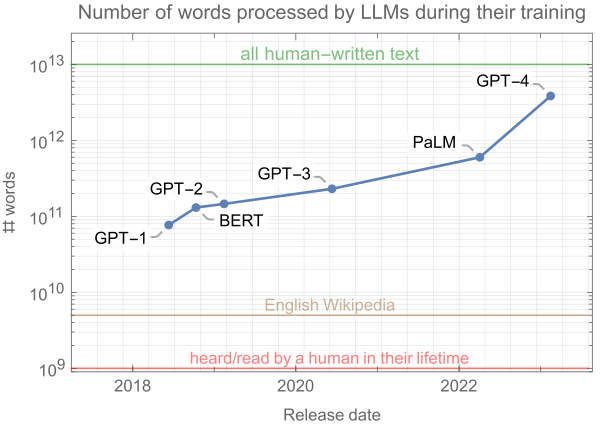
These past few months, thanks to ChatGPT and its siblings, we have been witnessing something historic. It seems that computers are finally able to understand our language, and are even able to speak back! These AIs are the latest iterations of large language models, also known as LLMs. But what exactly are these LLMs? How do they work? And how are they created? Let's dive into it.

Seed Round Completed
We are delighted to announce that we closed a seed funding round! We raised $3M, which we will use to continue building our NLP tool focused on text understanding.